
Joel Silverman, Silverfish Audio
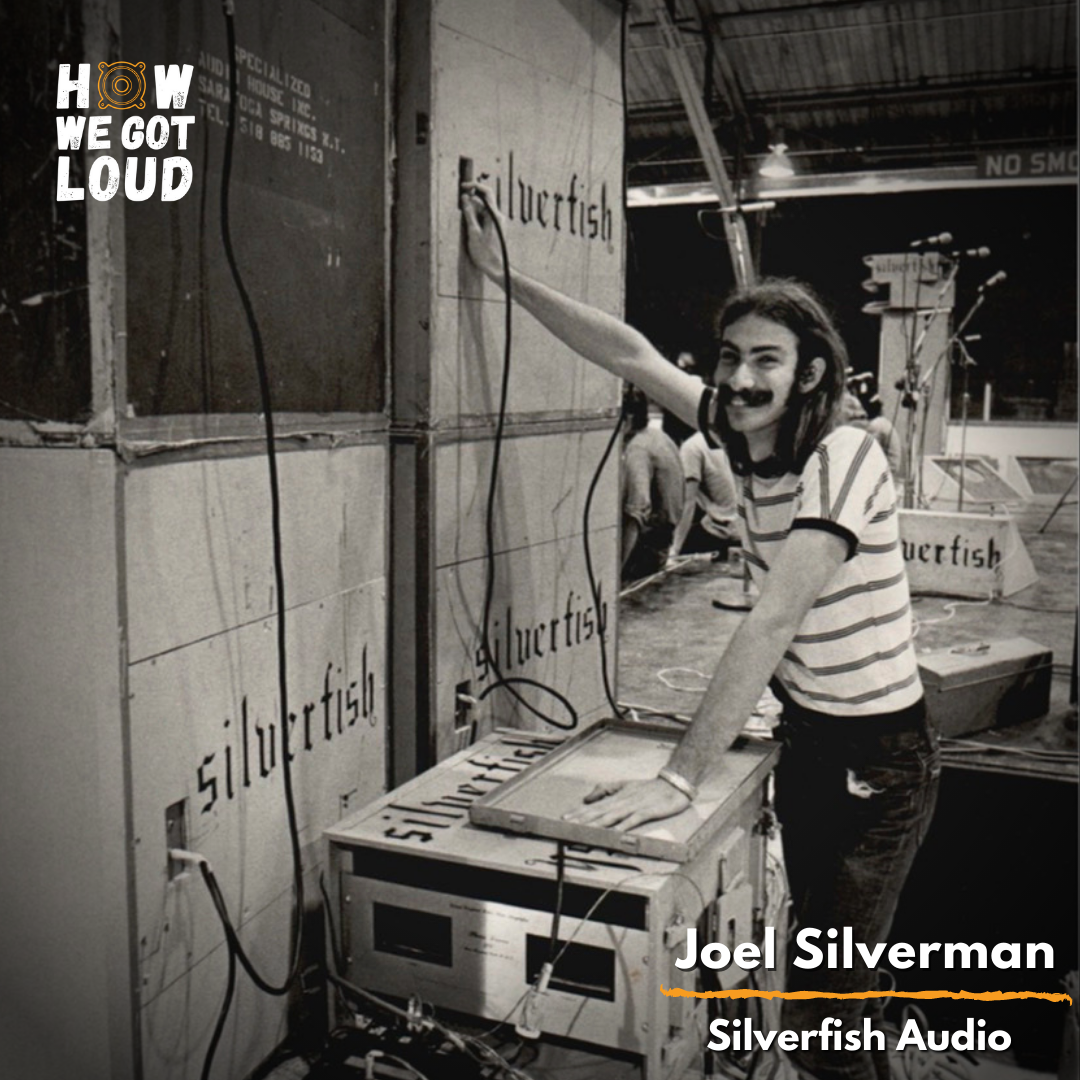
Joel Silverman: Building Silverfish Audio
Before Silverfish Audio became a touring sound company, “Silverfish” was Joel Silverman’s nickname. At Clarkson in Potsdam, New York, he put it on posters for the concerts he helped present. He supplied sound with a growing collection of his own gear, recorded local bands, and eventually built a system large enough to cover the college gym.
After graduating, Joel joined Brighton Sound in Rochester. There he learned the work beyond the mixer: driving the truck, maintaining equipment, and getting a show into a venue. Brighton’s concerts with Bonnie Raitt in the summer of 1974 also introduced him to her road manager, Tim Burnett.
Building a PA for a tour that was already coming
When Joel decided to leave Brighton, he called Burnett with a proposal. He and Ross Ritto wanted to build a sound system from scratch for Bonnie Raitt’s tour. They had no finished PA to show him. Burnett agreed anyway.
Joel and Ross built the speaker cabinets in the basement of a house in Henrietta, New York. Joel assembled cables at his kitchen table. With nowhere to store the finished midrange cabinets, he laid them face down in his apartment and slept on a mattress placed over them.
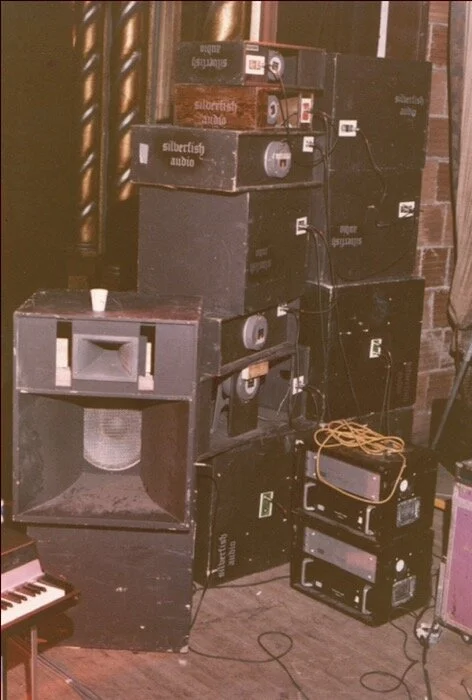
The system they took on the road in April 1975 was a four-way design built around Ross’s folded-horn low-frequency cabinets, modified midrange enclosures, JBL horns, and high-frequency drivers. Its first stop, Joel recalls, was Trenton, New Jersey. Joel mixed front of house while Ross handled monitors. The system worked, and Burnett’s trust became the foundation of a touring business.
The Ashly consoles and a system built to travel
Joel’s relationship with Bill Thompson, whom he had met through Brighton Sound, shaped another part of Silverfish’s early equipment. Thompson had started Ashly Audio, and the two worked through what Joel wanted in a touring console: extensive output EQ, limiters, headphone monitoring, and the electronic crossover needed to drive the PA.
The custom consoles were not ready when Silverfish left for its first Bonnie Raitt tour. Joel and Ross went out with several smaller Ashly mixers and external processing instead. The consoles they had planned became part of a broader approach to building equipment for a small crew with little backup available on the road.
Joel describes splitting the multicore snake into two runs for redundancy, using multi-pin connectors to speed setup, and color-coding amplifier and speaker connections so college stagehands could help assemble the system. Cables traveled sorted in milk crates inside road cases. When Silverfish built another PA, the team kept its components compatible so the systems could work separately or be combined for larger shows.
Silverfish grows into Sound Image
The Bonnie Raitt shows helped Silverfish earn other work. Joel recalls tours and connections with Jesse Colin Young, Emmylou Harris, Jimmy Buffett, Jesse Winchester, and Pablo Cruise. He also remembers mixing many of Bonnie’s opening acts, including blues and folk performers whose sets mattered just as much to the audience as the headliner’s.
As the client list grew, so did the operation. Mike Adams and Joe Ciccolini joined the Rochester team and helped build additional systems. More equipment began ending up in California between tours, leading Silverfish to establish a West Coast base near Burbank Airport.
Joel eventually sold his interest and stepped away from regular touring, but the company he and Ross started kept growing. With Ross, Dave Shadoan, Mike Adams, and others carrying it forward, Silverfish became Sound Image. What began with cabinets built in a basement developed into one of the largest live sound companies in the world, supporting major tours while expanding into other areas of production and installed sound. In 2023, Sound Image joined the Clair Global Group.
Near the end of our conversation, Joel reflects on what it means to see that growth from a distance. What makes him proud is that the company had a strong enough foundation to continue long after he left.
From the road to the factory
Joel’s next chapter took him into professional-audio manufacturing. At MXR, he began on the technical support line, moved into customer service and trade shows, and eventually led sales for its professional-audio division. It was a different side of the business, but he was still working with the engineers and equipment he knew from touring.
At dbx, Joel worked during the era of the modular 900-series processors, which allowed users to assemble racks with the compressors, EQs, and other modules a job required. He also discusses the company’s less familiar digital recording system, including its use in long-running theme-park playback applications. His interest was as much about how people put these products to work as the specifications on a brochure.
That perspective became especially important during his years at Lexicon. Joel traveled to teach engineers how to use digital effects, including the 480L, in live shows. A mixer facing a soundcheck and a show did not have unlimited time to explore a processor. Useful presets, clear controls, and dependable factory support could determine whether that processor became part of the show.
Joel also brought live conditions into product discussions. While testing an early PCM 70 at a small club with his wife’s band, he watched it cut out when an oven switched on and the voltage dropped. He recalls that experience helping the team improve the unit’s behavior under poor power conditions. Later, at Millennia, he contributed to the specifications and operating approach for a remote-controlled microphone preamp. Across those roles, he kept asking practical questions: Can someone operate it under pressure? Can it survive the road? If it fails, can it be repaired quickly?
Joel’s story connects the early days of custom-built touring PAs with the processors that became everyday tools for live mixers. He helped build a sound company that grew far beyond its Rochester beginnings, then spent much of his career helping other people get better results from the equipment they carried on the road.
Listen to the full conversation for Joel’s firsthand account of Silverfish’s first tour, the Ashly consoles, the people who built the company, its path to Sound Image, and the manufacturing career that followed.




Ashly Consoles
Images, titles, and notes from Bill Thompson
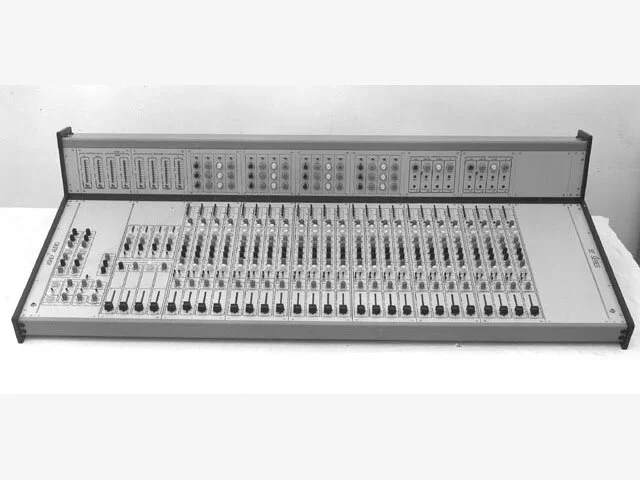
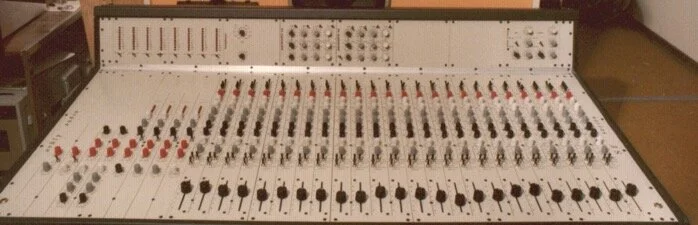
Northeastern mixer - 1976
This mixer was the first built in a case designed by Ron Rothe. This mechanical design was modular and easily customized, it worked well, and was used in all future custom mixers.

Notheastern mixer module
A module from the Northeastern mixer. Input modules each contained 4 channels.

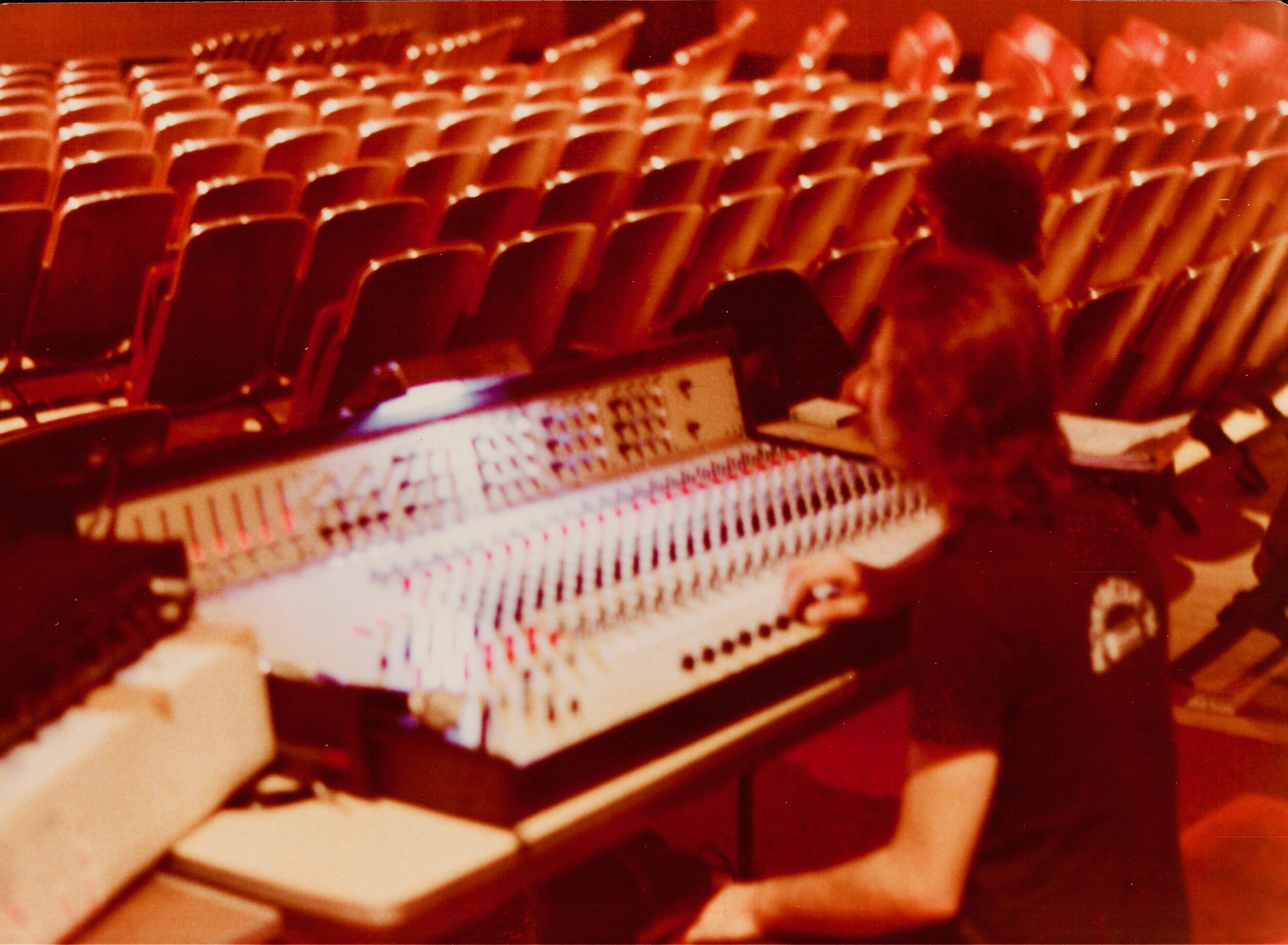
Sound Image 32 input mixer - 1979
We built several mixers for Sound Image in San Marcos, CA. This 32 input mixer built in 1978 was later expanded to 40 inputs. It traveled all over the world with Jimmy Buffet, Emmy Lou Harris, and Jackson Browne.

Sound Image monitor mixer
We built two of these monitor mixers for Sound Image. They were used as companions to the 32-40 input house mixers.
You can hear more about Silverfish Audio from Steve Nider

Based in Rochester, NY Steve Nider was in the right place at the right time and kind of "fell into the business" at a young age.