Steve Nider: Silverfish Audio and a Life on the Road
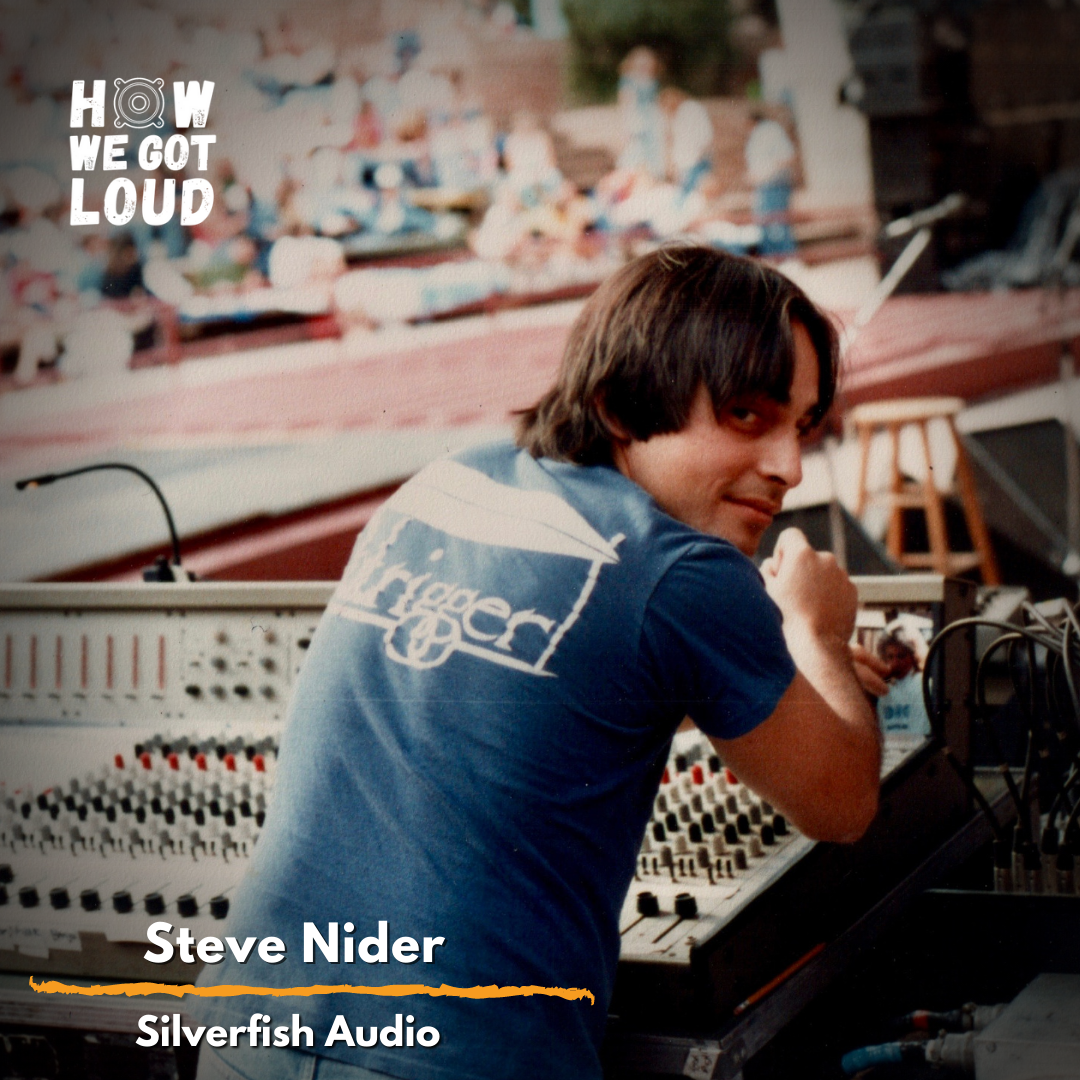
Steve Nider entered the live sound business at sixteen years old, almost entirely by accident.
A setup man had quit, a Rochester band needed help, and someone told Steve they would teach him what he needed to know. Before long, he had left his regular job and was driving an equipment truck for Black Sheep, the Rochester band fronted by Lou Gramm before Gramm went on to join Foreigner.
That opportunity placed Steve inside the touring world during a period when live sound was still being built by the people doing the work. Systems were assembled from whatever equipment was available. Cabinets, cables, cases, patching systems, and sometimes entire mixing consoles were built or modified by the companies using them.
There were few formal paths into the industry. Steve learned by watching other engineers, asking questions, repairing equipment, and figuring out how to make the show happen.
In this episode, Steve takes us through the early years of Silverfish Audio, its unusual Ashly consoles, its move from Rochester to California, and the road experiences that carried him through several decades of touring and production.
The Silverfish Audio Story
Steve’s first exposure to live sound came through Black Sheep’s local PA systems. The early equipment was modest: column speakers, Fender amplifier heads, an Echoplex, and a small RadioShack mixer.
As the band’s opportunities increased, so did the scale of the equipment. Steve remembers working with JBL-loaded 4560-style cabinets, horns, Ampex tube mixers, an early eight-channel Ashly console, and a triamped system operated by engineer Terry Palmer.
Black Sheep recorded for Capitol Records and opened shows for artists including KISS, Aerosmith, Peter Frampton, Procol Harum, and Ten Years After. The band also encountered larger touring systems, including one of Tycobrahe’s distinctive blue systems.
The Black Sheep chapter ended after the equipment truck rolled on the New York State Thruway while returning from a Christmas Eve show with KISS. The accident prevented the band from completing its remaining dates and contributed to its breakup.
Steve returned to local club work until Mike Adams found him running a spotlight and told him that a group of people in Rochester was building a sound system and needed help.
That group became Silverfish Audio.
Steve joined Silverfish around 1978. His starting wage was two dollars an hour, paid under the table. He helped Mike Adams assemble cabinets, prepare equipment, build road gear, and turn the company’s designs into working touring systems.
Mike was a master carpenter who played a major role in constructing the company’s bass cabinets, midrange enclosures, road cases, cable caddies, and other touring equipment. Ross Ritto and Joel Silverman provided much of the early vision and technical direction, while the rest of the crew built, maintained, transported, and operated the systems.
Silverfish eventually had three similar PA systems working with different touring teams.
Joel Silverman was closely connected with Bonnie Raitt. Mike Adams and Steve worked with Jesse Colin Young. Ross Ritto and Joe Ciccolini handled Jimmy Buffett. The company also supported artists including Emmylou Harris and the Hot Band, Warren Zevon, Pablo Cruise, and others.
The systems moved from tour to tour, often with very little downtime. They had to remain reliable while constantly being loaded, transported, stacked, operated, repaired, and sent back onto the road.
The Ashly Consoles
One of the most historically interesting parts of Silverfish Audio was its use of Ashly mixing consoles.
Ashly is primarily remembered for its signal processors, equalizers, amplifiers, and other outboard products. Far fewer people know that the company built a limited number of sophisticated touring consoles during the 1970s.
Silverfish owned several of them.
Two of its systems used 24-input, eight-mix front-of-house consoles with 16-by-four monitor desks. Its largest system used a 40-input, ten-mix console, one of the final large desks Ashly produced.
The consoles incorporated features that were unusual for the period. They were relatively lightweight and self-contained, with LED metering, sliding faders, output limiters, four-band parametric equalization, and crossover functions integrated into the desk.
The largest console also included flexible internal patching. Processing normally assigned to an output could be moved and inserted into an individual input channel.
Ashly ultimately decided that large touring consoles were too expensive and time-consuming to manufacture for the size of the market. The company concentrated instead on outboard processing and amplification.
Silverfish continued using the consoles it already owned.
The desks were integrated into a custom patching arrangement using external patch boxes, multipin cables, stage boxes, and wiring developed around the needs of the complete system. Silverfish built much of its own cabling and sourced connectors and components through companies including Rochester-based Whirlwind.
That customization made the systems efficient, but it also meant replacement equipment was not readily available when something failed.
Steve tells the story of an Ashly console shutting down during soundcheck at the Paramount Theatre in Portland. Smoke appeared between the console modules and the entire PA went silent.
It was a Sunday afternoon. There were no cell phones and no nearby replacement desk identical to the one Silverfish was carrying.
Steve opened the console and worked through it section by section until he found an integrated circuit burned in half on the headphone-amplifier board. He located Bill Thompson by telephone and called him from a payphone in the theater lobby.
Thompson explained that the final signal path passed through that section and instructed Steve to locate and cut a particular lead. Steve cut the wire, the console came back to life, and the show went on.
He completed the rest of the tour without a working headphone amplifier, PFL, or solo system.
That was part of the job. The engineer was not simply expected to operate the system. He had to understand it, diagnose it, repair it, and find a way to complete the show.
Building Systems for the Road
Silverfish also paid close attention to how its equipment traveled.
Cases and cable caddies were designed around the truck pack. One cable caddy held four milk crates organized by cable length. Large wooden cases were built in-house, while some smaller ATA-style cases were purchased from a Rochester-area builder.
That may sound routine today, but touring practices had not yet become standardized. Equipment frequently arrived in cardboard boxes, loose milk crates, and improvised containers.
A better case did more than protect the equipment. It reduced truck space, accelerated the load-in, and allowed a very small crew to move an entire system.
A typical Silverfish tour might carry only two audio people: one engineer at front of house and one on monitors. A third person could be added for a larger arena, field house, or stadium, but many theater and college shows were handled by two people.
On one Jesse Colin Young tour, Steve recalls being on the road for more than three months and completing approximately 120 shows. The crew traveled in motorhomes and sometimes took turns driving through the night after the performance.
The systems were ground stacked. Bass cabinets and horns were rolled into place, stacked, strapped down, patched, and turned on. As touring expanded during the 1980s, the industry moved toward larger crews, dedicated audio trucks, flying hardware, chain motors, and increasingly complex production systems.
Silverfish grew within that changing industry.
As more of its clients worked on the West Coast, the company began storing and maintaining equipment near the Burbank Airport. For a time, it effectively operated between Rochester and California before its center of operations shifted west.
Steve moved to California as well and shared a house in Carlsbad with Ross Ritto.
Silverfish continued operating under its original name in California before eventually becoming Sound Image. Steve remembers the Sound Image name emerging from an early idea to build a San Diego soundstage for producing music videos during the rise of MTV.
The video-production concept did not become the company’s primary business, but the name remained. Sound Image continued concentrating on sound reinforcement and grew into one of the major touring audio companies in the industry.
A Life on the Road
Steve’s career extended far beyond his years with Silverfish.
In 1981, he reconnected professionally with Lou Gramm and joined Foreigner’s 4 tour as a keyboard and backline technician. He later worked in audio, backline, stage management, and production management for artists including Foreigner, Warren Zevon, Emmylou Harris, Aerosmith, the B-52s, Jackson Browne, the Eagles, Joe Walsh, Bonnie Raitt, and others.
With Jackson Browne, Steve mixed monitors for a series of solo acoustic performances around the world.
At times, the touring party consisted only of Jackson, a front-of-house engineer, and Steve. They traveled through Japan, Italy, France, and other international locations with Jackson and his collection of guitars.
Steve remembers nights when Jackson remained at the piano after the concert while the production was being dismantled around him. Speakers were rolling away and truss was coming down, but Jackson continued playing.
To Steve, “The Load-Out” was not simply a figurative song. It reflected something real about Jackson’s relationship with the stage, the music, and the people behind the show.
When the Show Has to Go On
Many of Steve’s strongest stories revolve around the moments when a production was close to falling apart.
During Aerosmith’s Rock in a Hard Place period, Steve was working at the Hartford Civic Center when the band arrived approximately two and a half hours late.
The police chief was threatening to arrest him. The fire marshal was threatening to shut down the building. The promoter was threatening not to pay. The audience was becoming increasingly difficult to control.
When the band finally arrived and the lights went down, Steve remembers the performance as one of the best shows he had ever seen.
He then had to deal with everything left behind after the show.
On another tour, heavy rain turned the route between the equipment truck and a fairground stage into mud. The truck driver refused to take the trailer down to the stage and suggested canceling the show.
Management told Steve that the tour might not make payroll if the performance was canceled.
Steve looked across the fairgrounds and saw a National Guard display with a large military truck. He approached the unit, explained the problem, and asked whether they could help.
The production equipment was transferred onto the military truck, and members of the National Guard became temporary stagehands. They received shirts and tickets, and the show went on.
When the Audience Is Louder Than the PA
One of Steve’s most memorable moments happened with Foreigner in Tel Aviv.
An estimated 75,000 people gathered in a park. The local production assembled a system using equipment brought in from several parts of Israel. It was a collection of different loudspeakers and systems combined to cover the audience.
The crowd knew every word to every song.
At times, the audience was louder than the PA.
For Steve, that moment represented the reason the work mattered. Tens of thousands of people had come together through music, and he was part of the team that helped make the experience possible.
Life After Touring
Steve eventually moved from touring into corporate meeting and event production.
A travel agency that had handled arrangements for Foreigner brought him in because of his relationships and knowledge of touring operations. That work introduced him to corporate meeting planning, where many of the same skills applied.
The environment was different, but the foundation remained familiar: stages, lighting, audio, video, transportation, schedules, personalities, and an audience expecting everything to work.
For one corporate event, Steve hired Lenny Kravitz as the closing performer and brought in a Sound Image system from Nashville to meet the production requirements.
The career he built after touring grew directly from the skills he had developed on the road.
Steve does not describe himself as someone who entered the industry chasing recognition. To him, it was work.
You arrived in the morning to an empty room. You built a complete production. The audience entered, the artist performed, and then everything disappeared. Fifteen hours later, the venue was once again four walls and a concrete floor.
There was satisfaction in completing that cycle.
Steve entered live sound during a period when much of the touring industry was still being invented. He watched it grow from homemade systems, motorhomes, milk crates, small crews, and ground-stacked horns into a worldwide production business.
More importantly, he was one of the people who helped it grow.
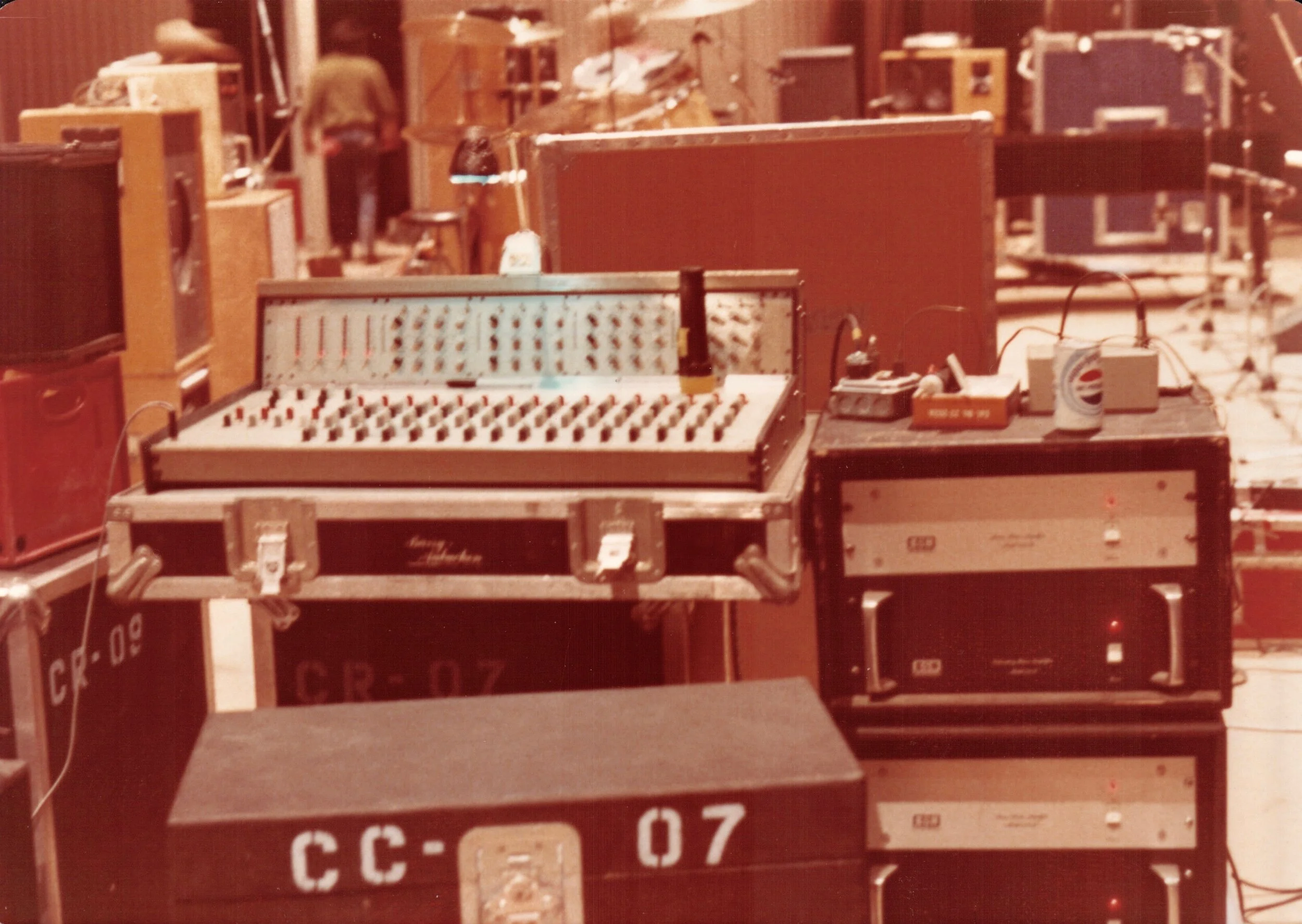
Ashly 16X4 monitor console at a Silverfish Audio gig
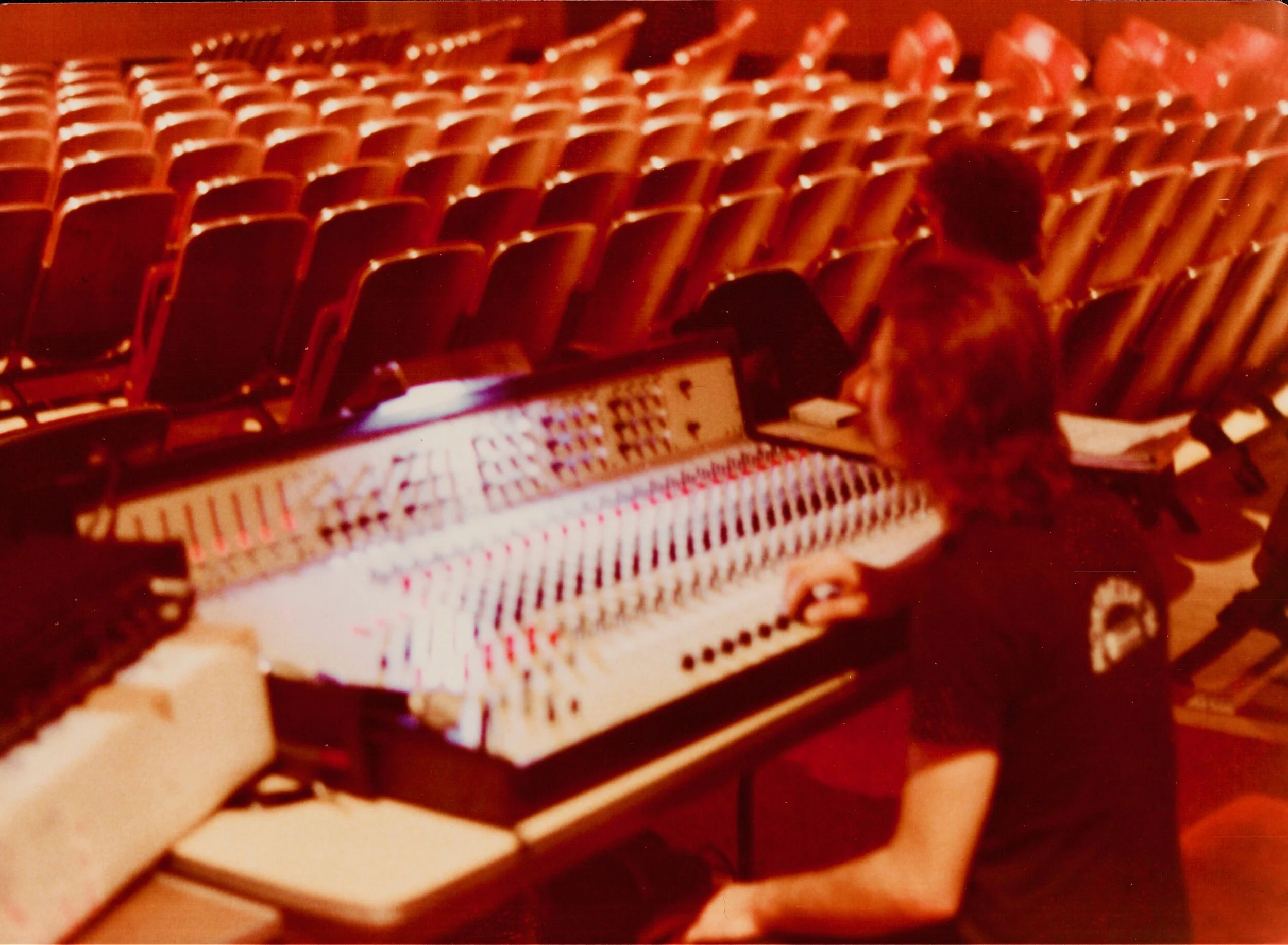
Joel Silverman mixing for Bonnie Raitt on a Ashly parametric audio console
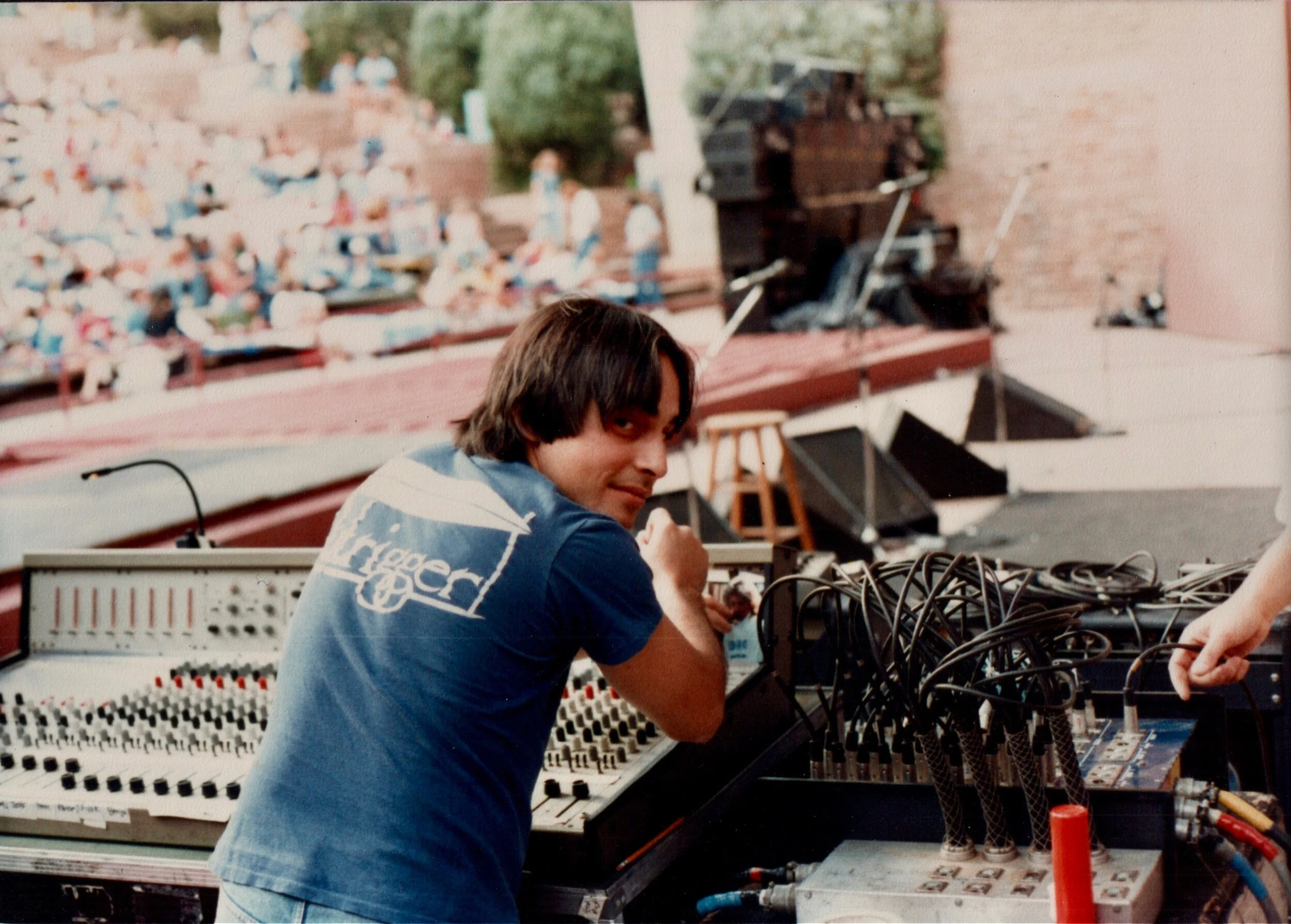
Steve Nider mixing monitors on a Ashly parametric console with custom stage-boxes built by Silverfish Audio.
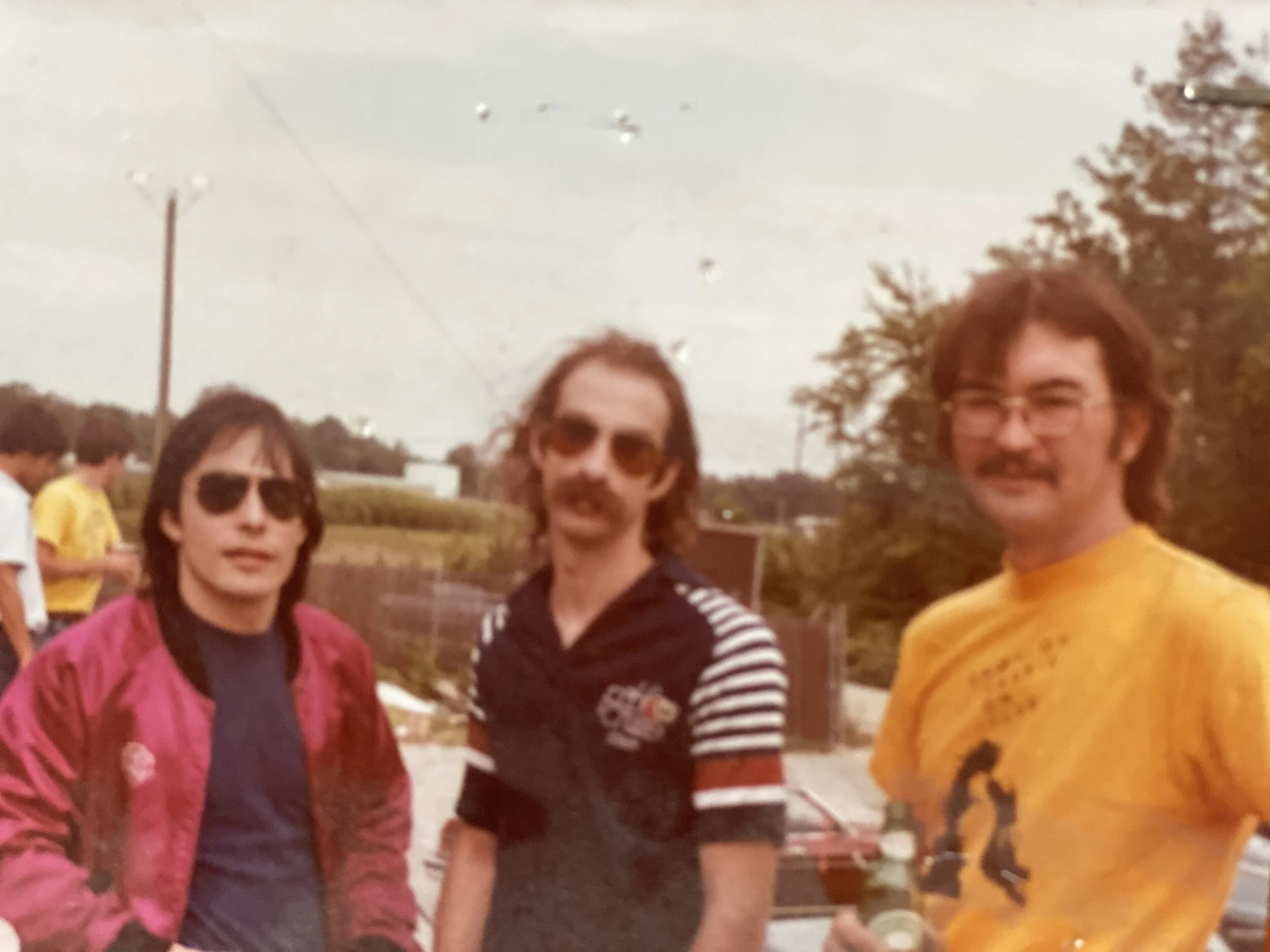
Steve Nider, Joel Silverman, Andy Anderson
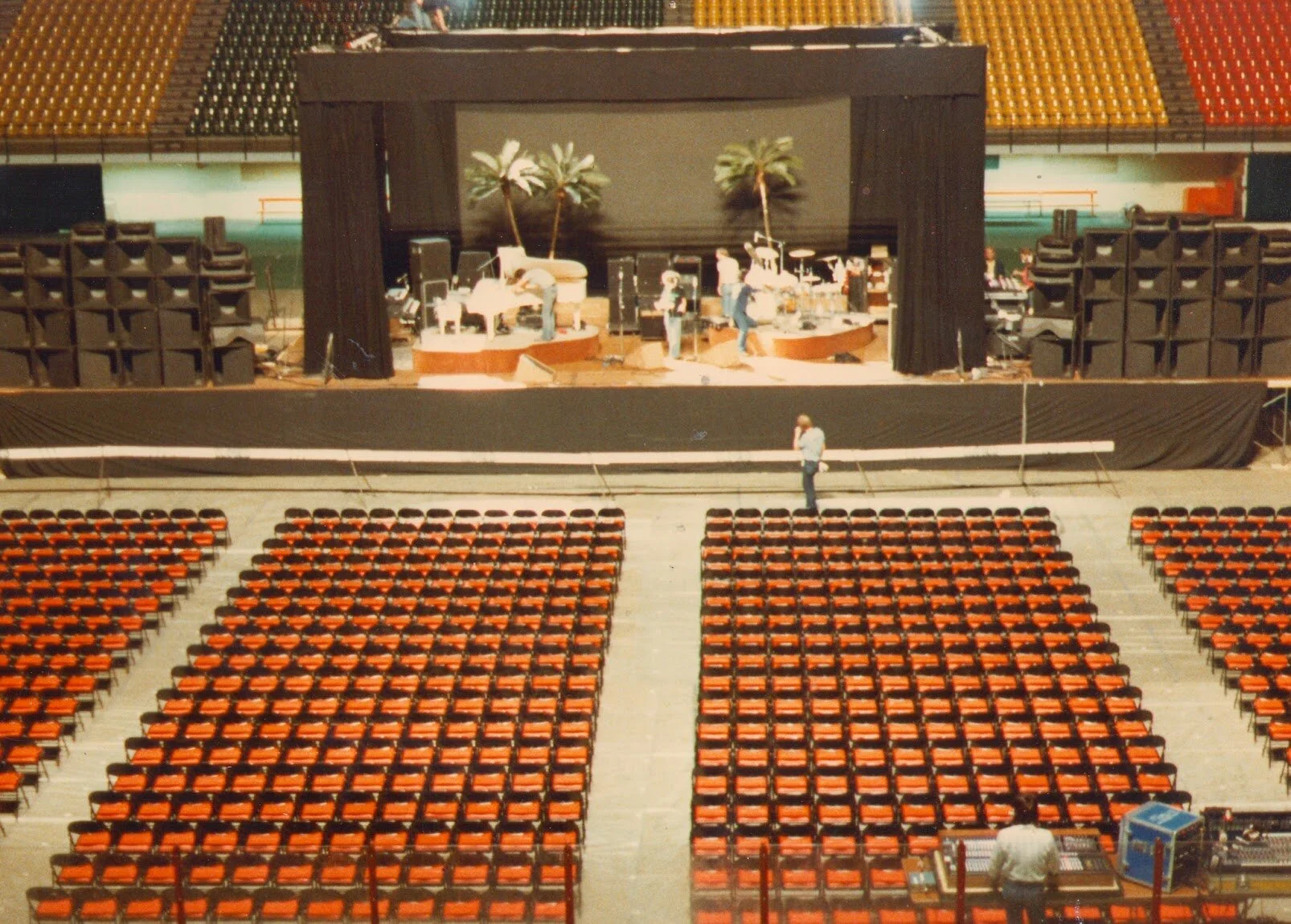
Pablo Cruise in 1978, Idaho Arena. Siverfish Audio system
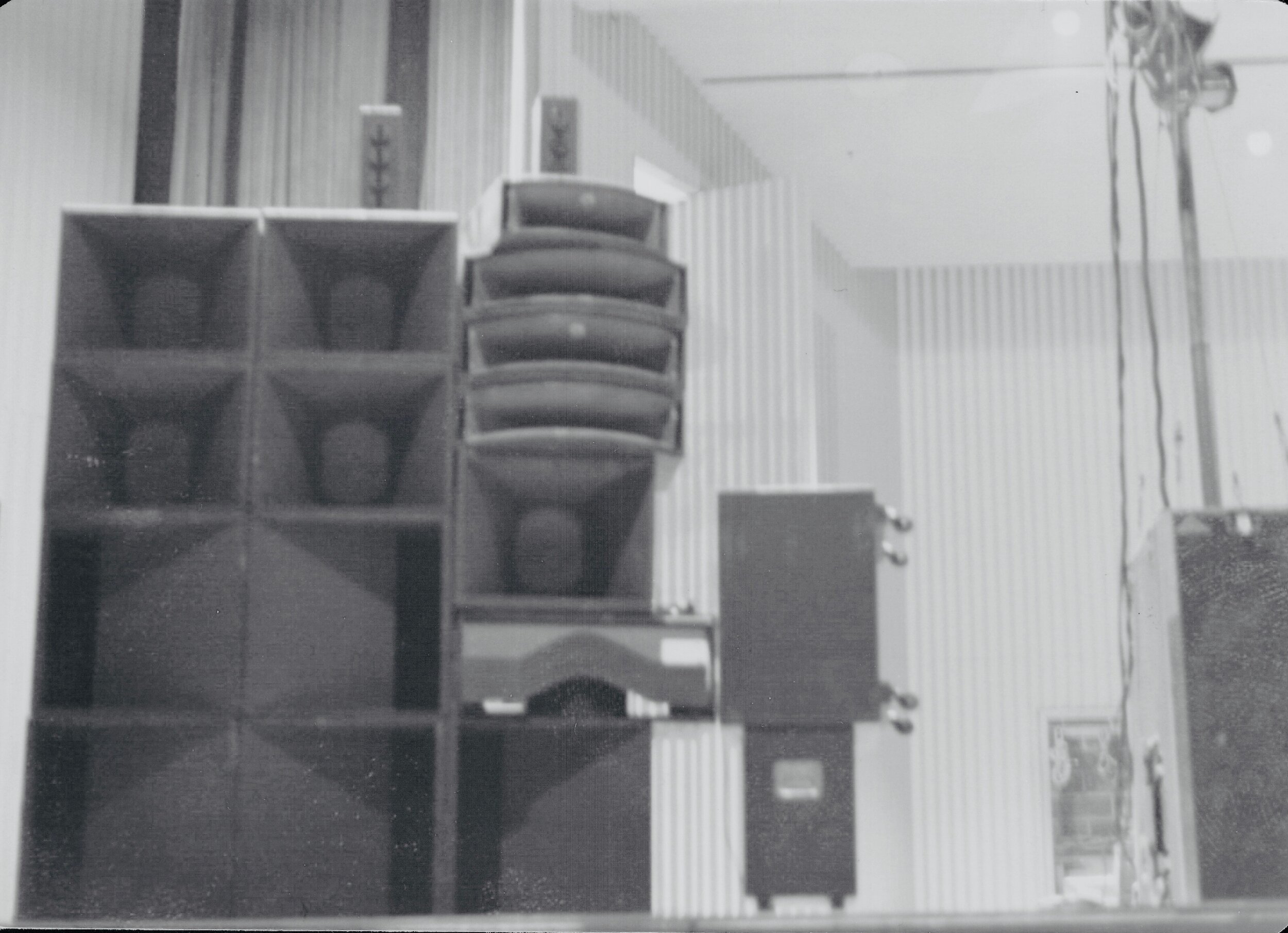
Silverfish Audio proprietary speaker system
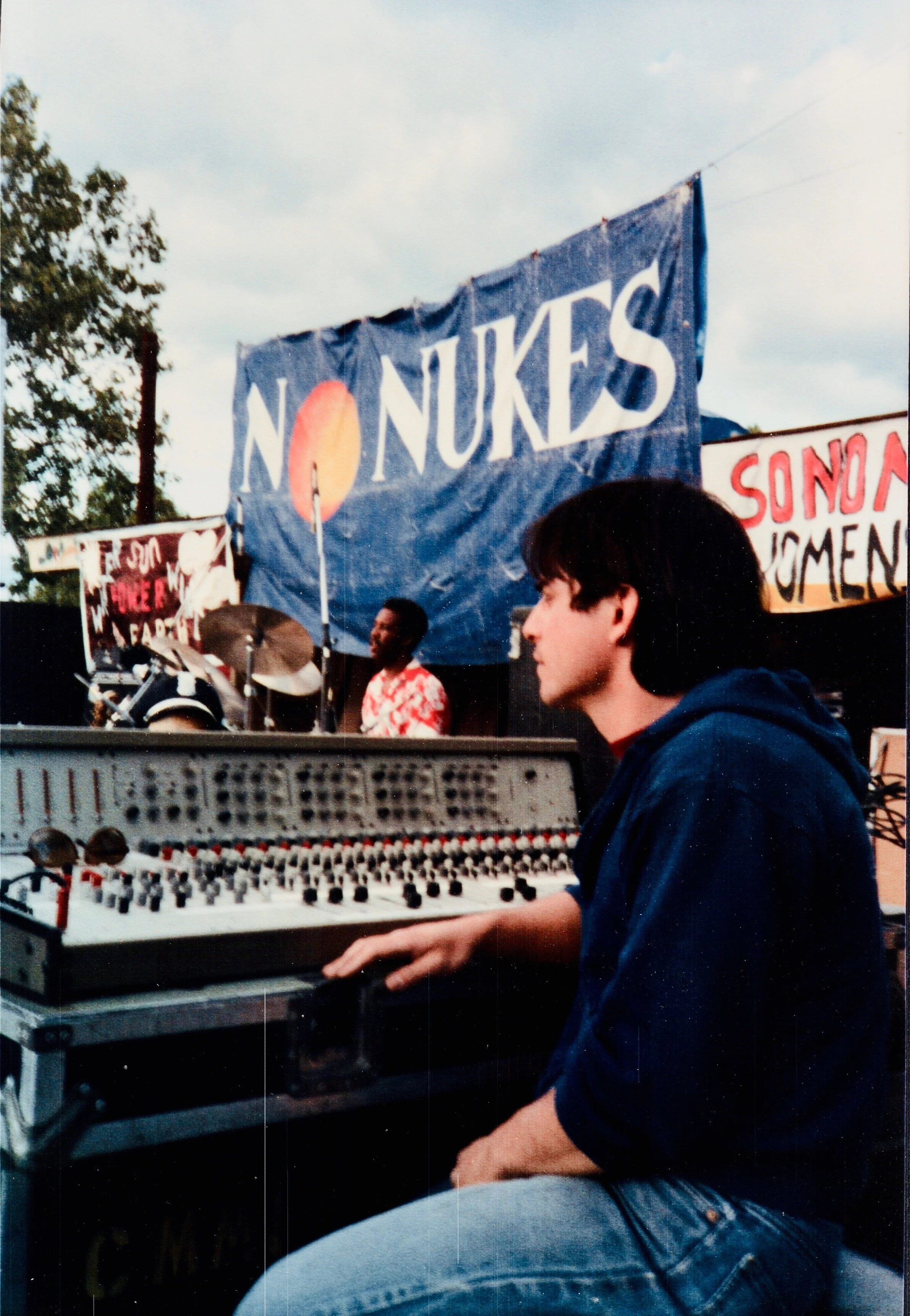
Steve Nider mixing monitors for Bonnie Raitt on a Ashly Parametric console
Ashly Consoles
Images, titles, and notes from Bill Thompson
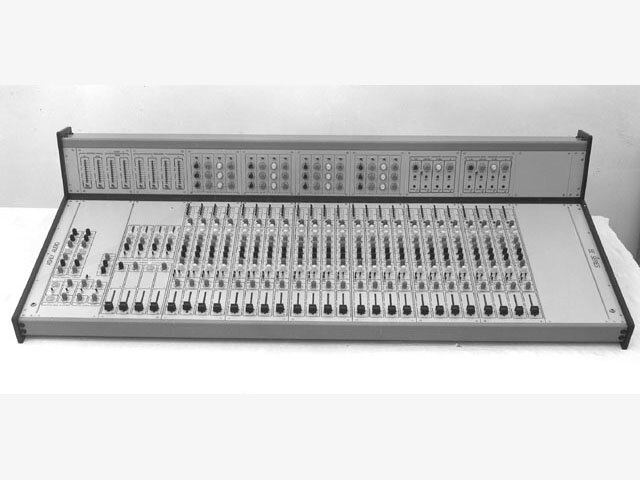
Northeastern mixer - 1976
This mixer was the first built in a case designed by Ron Rothe. This mechanical design was modular and easily customized, it worked well, and was used in all future custom mixers.
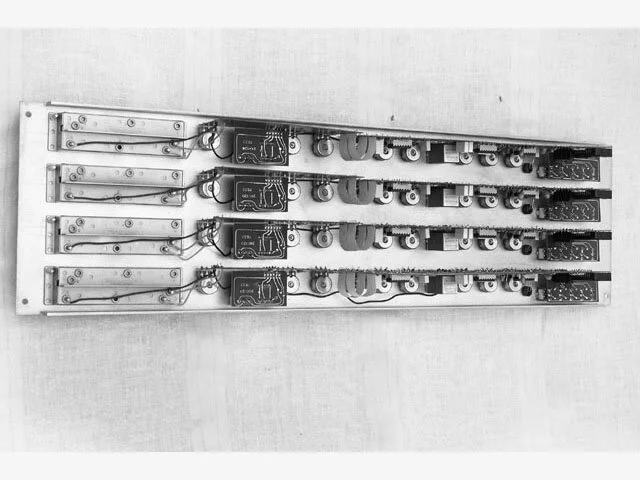
Notheastern mixer module
A module from the Northeastern mixer. Input modules each contained 4 channels.
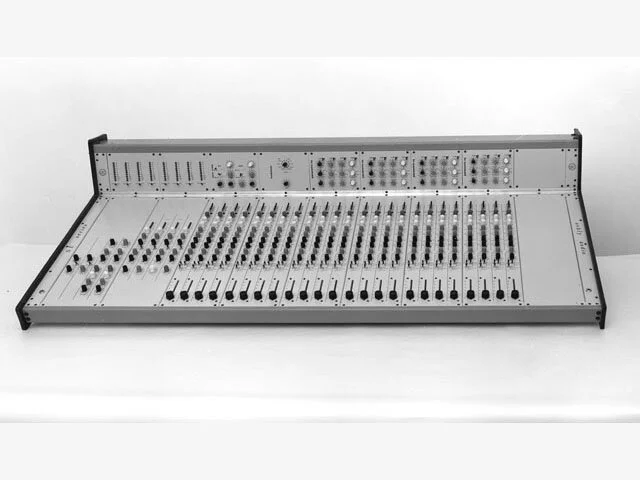
Eastern Sound Service mixer
A mixer built for Eastern Sound Service of Long Island, NY. This was very similar to the Northeastern mixer.
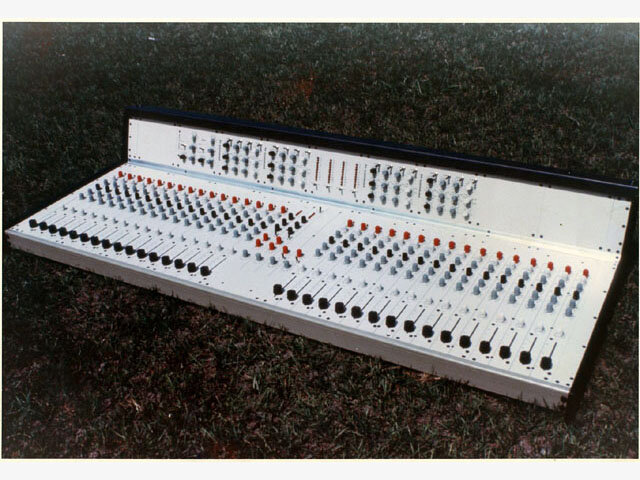
Jesus Christ Superstar mixer
This 32 input mixer was built for a roadshow production of the musical Jesus Christ Superstar in 1976.
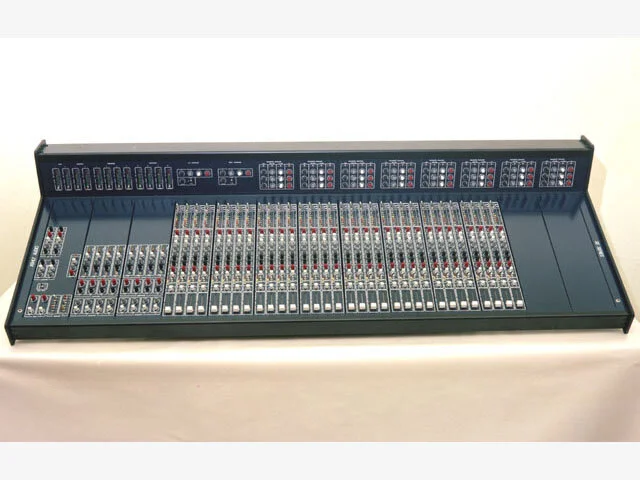
Sound Image 32 input mixer - 1979
We built several mixers for Sound Image in San Marcos, CA. This 32 input mixer built in 1978 was later expanded to 40 inputs. It traveled all over the world with Jimmy Buffet, Emmy Lou Harris, and Jackson Browne.
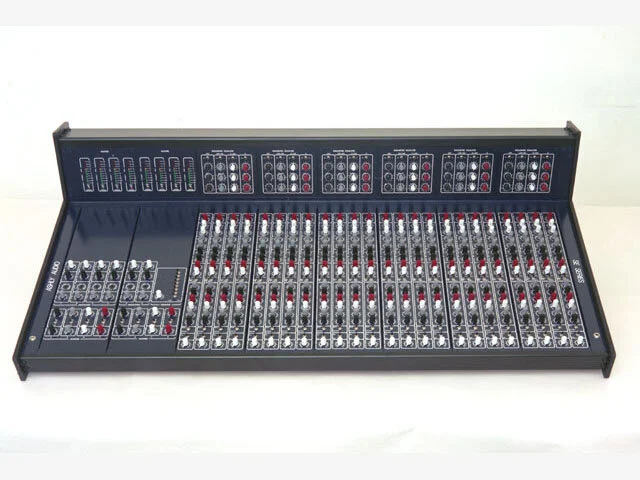
Sound Image monitor mixer
We built two of these monitor mixers for Sound Image. They were used as companions to the 32-40 input house mixers.
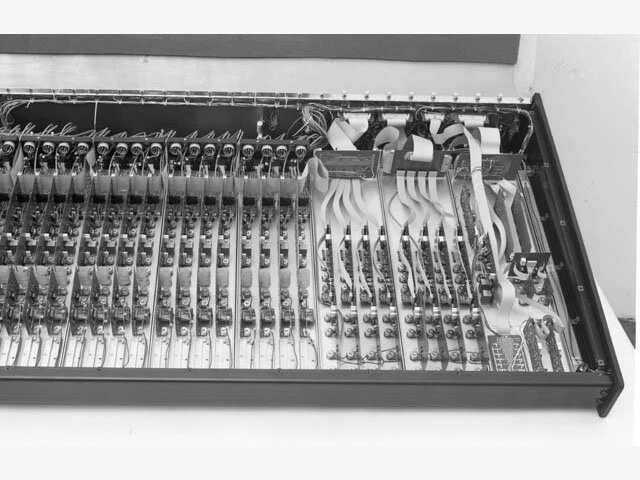
Internal view of Sound Image mixer
An internal view of the Sound Image mixer showing the modular construction and flat cable interconnect.
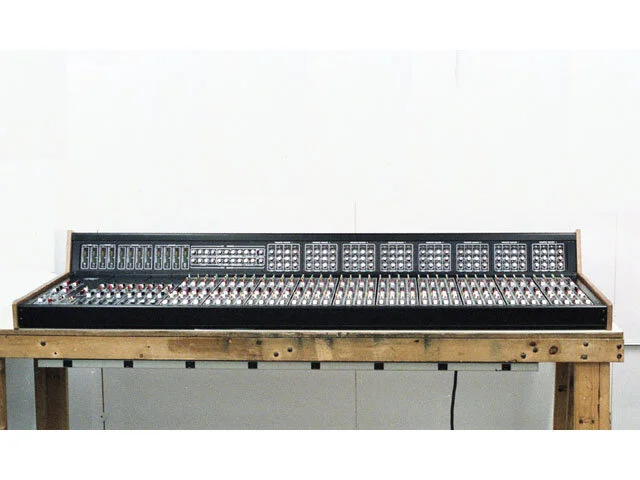
1981 Sound Image Mixer
In 1981 we built our last big custom mixer, again for Sound Image. This was very similar to the 32 input mixer built a couple of years earlier but was delivered with all 40 inputs.